
OUR PARTNERS


We've developed a rigorous model to support our long-term goal
of engaging and empowering local youths to achieve their dreams.
OUR LOGIC MODEL
Our goal is to increase the physical activity (PA) of low socioeconomic status (SES) groups in the greater Bridgeport, CT metropolitan area.
- Grant Money budgeted for coaches, sporting equipment, transportation, and referees
- PE Curriculum
- Public Parks, gyms, and Community Based Centers
- Coaches and supporting staff
- Grant money to provide nutritional meals for student athletes
- Grant money to provide free transportation of student athletes to practices, games, competition events and back home
- Target low socioeconomic status (SES) groups in their everyday setting
- Target low-SES youth
- Increase access to sports-based recreation in low SES neighborhoods
- Engaging in non-traditional sports for people with low socioeconomic status (SES)
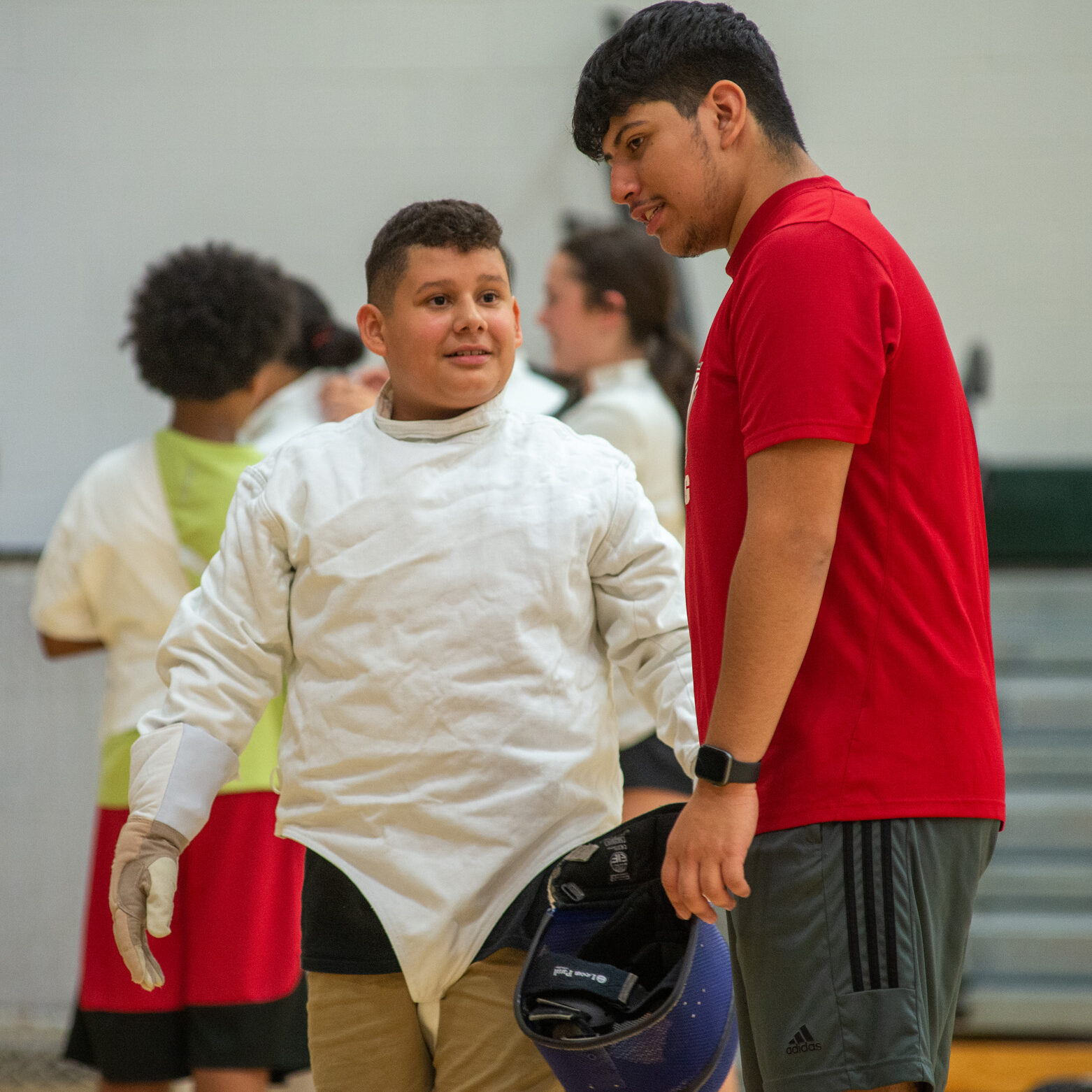
- Sports (e.g., archery, ice hockey, swimming, gymnastics, fencing, golf, lacrosse)
- Increased Sportsmanship
- Emotional self-efficacy
- Decreased likelihood of depression among participants
- Intrinsic motivation
- Mindfulness
- Weight loss and reduction in BMI
- Weekly and/or periodical weigh ins of participants
- One on one discussions, focus groups, interviews to reduce the negative influence of peers and exposing young people to constructive adult peer groups
Impact of our programs
Short-Term Outcomes
- Reduce inequality in social, mental and physical health
- Increased positive social norms, health, and well-being for low SES groups
- Increased physical Activity (PA) over the life course for low socioeconomic status (SES) youth
- Diverse extracurricular activities for college applications
Intermediate-Term Outcomes
- Decrease likelihood of risky behavior (e.g. binge drinking, illicit drug use, and tobacco use)
- Increased civic engagement
- Decrease in obesity rates and increase independent exercise
- Likelihood of noncommunicable diseases (NCD) such as diabetes, cardiac/heart disease decrease
Long-Term Outcomes
- Sustained positive influence of economic, intellectual, social and psychological outcomes
- Long lasting positive influences which help build positive health behaviors, increase self-sufficiency, self-esteem, feelings of self-efficacy, leadership skills, and interactions with others, and promote an overall decrease in problem behaviors.
WANT TO LEARN MORE ABOUT OUR MODEL?
LEARN MORE
Contact us using the button below for more information about our comprehensive model.
EMAIL US
Do you have a specific question for our team? Send us an email today and we'll get back to you as quickly as possible.
mcbridefdn@gmail.com